
Which injection is right for me?
If you’re living with joint pain, tendon injuries, or ongoing inflammation, you’ve likely heard about treatment options such as platelet-rich plasma (PRP), prolotherapy, or hyaluronic acid injections. With several regenerative and therapeutic injection options available, it can be difficult to know which approach is best suited to your condition, goals, and stage of recovery.
Injection therapies can play an important role in reducing pain, improving mobility, and supporting the body’s natural healing processes, but they are not one-size-fits-all. The most effective option depends on factors such as your diagnosis, activity level, medical history, and how your body has responded to previous treatments.
In this guide, we’ll walk through three commonly used injection therapies by Dr. Holtz to help you better understand how each works, what they’re used for, and when they may be recommended as part of a comprehensive treatment plan.
Platelet Rich Plasma (PRP)
PRP injections are used to treat tendon and joint pain that doesn’t respond to usual measures like rest, strengthening and activity modification. The greatest benefits have been reported for the treatment of chronic tennis elbow and mild to moderate knee osteoarthritis.
How do PRP injections work?
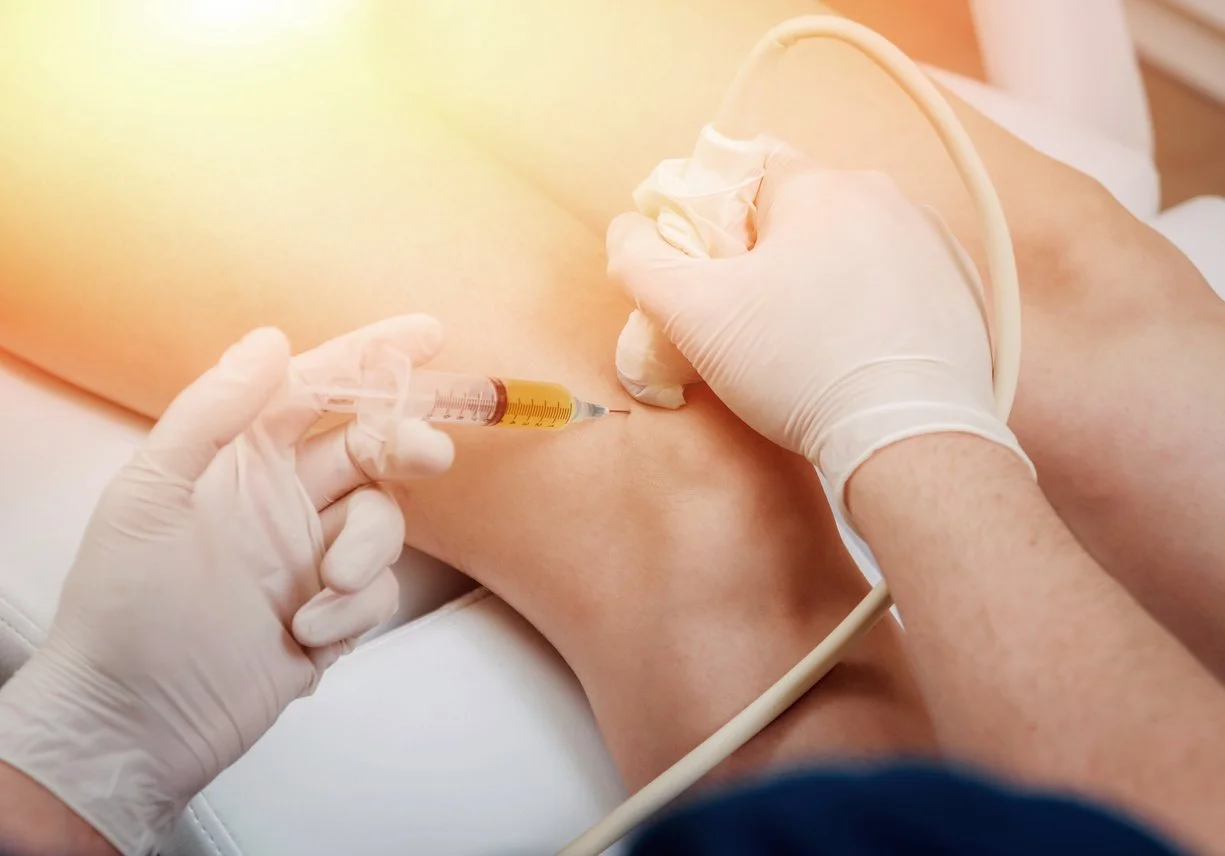
PRP results in supraphysiologic concentrations of platelets being injected using ultrasound guidance in and/or around the target tissue. PRP is made using a commercial kit and flow cytometry or light absorption by cells. A 60mL blood draw is taken from a vein in the antecubital fossa and processed. The final product is 3mL to 5mL. The appointment typically takes 45 minutes to an hour.
How much do PRP injections cost?
The cost of PRP includes the blood draw and commercial kit. PRP injections are not covered by MSP.
What are the possible side effects?
The most common side effect of PRP is local pain at the injection site which lasts up to 3-5 days. If the affected area becomes red, hot, swollen and painful we advise patients to seek medical attention urgently.
What should I expect after my injection?
After PRP injection, patients are advised a period of rest up to 2 weeks depending on the nature and severity of their injury. Your Doctor will outline a rehab plan for you and your therapist following the injection that includes target exercises and gradual return to preferred activities. PRP injections are best used as part of a comprehensive non-operative plan including strengthening exercises, bracing and activity modification.
Hyaluronic Acid
Hyaluronic acid injections are used as part of pain management for patients with mild to moderate osteoarthritis.
How do hyaluronic acid injections work?
Hyaluronic acid is a joint lubricant product that is injected into the joint space using ultrasound guidance. Hyaluronic acid is found naturally in our joints and in arthritis, concentrations decline. Increasing hyaluronic acid concentrations with injectable high molecular weight products has been shown to improve pain and function for 6 months or more. It does not reverse osteoarthritis but may delay time to joint replacement.
How much do hyaluronic acid injections cost?
Hyaluronic acid injection can be purchased from your local pharmacy or at Dr. Holtz’s clinic. The cost is typically reimbursed by extended health benefits plans.
What are the possible side effects?
The most common side effect is a pain flare of the affected joint lasting 3-5 days. If the affected joint becomes red, hot, swollen and painful we advise patients to seek medical attention urgently.
What should I expect after my injection?
Typically pain in the affected joint improves within 7-14 days following a hyaluronic acid injection and lasts for 6-12 months depending on the nature and severity of underlying osteoarthritis. Patients can return to their preferred activities as tolerated. Hyaluronic acid injections are best used as part of a comprehensive non-operative plan including strengthening exercises, bracing and activity modification.
Prolotherapy
Dextrose prolotherapy is used for tendon and ligament injuries. Common conditions treated with prolotherapy are Achilles tendinopathy, tennis elbow, patellar tendinopathy (Jumper’s knee), sports related groin injuries and sacroiliac ligament pain.
How do prolotherapy injections work?
Prolotherapy is a dextrose solution that causes local tissue irritation and results in remodelling and longer term pain relief than cortisone injections. Typically a series of 2-4 injections are performed approximately 4 to 6 weeks apart. Results are usually seen after 2-3 injections.
How much do prolotherapy injections cost?
Prolotherapy is not covered by MSP. See RebalanceMD price list for further details.
What are the possible side effects?
The most common side effect is increased pain of the target site for 5-7 days. Patients are advised relative rest for one week after the injection.
What should I expect after my injection?
Your Doctor will outline a rehab plan for you and your therapist following the injection that includes target exercises and gradual return to preferred activities. Prolotherapy can be safely used in combination with shockwave therapy.
Choosing the right injection therapy is a collaborative decision based on your diagnosis, symptoms, lifestyle, and long-term goals. While PRP, prolotherapy, and hyaluronic acid injections each offer unique benefits, the most effective treatment plan is one that is tailored specifically to you and integrated into a broader rehabilitation strategy. If you’re wondering whether injection therapy may be appropriate for your condition, a consultation with a physiatrist can help determine the best next step and ensure you receive care that supports lasting function, mobility, and quality of life.
